
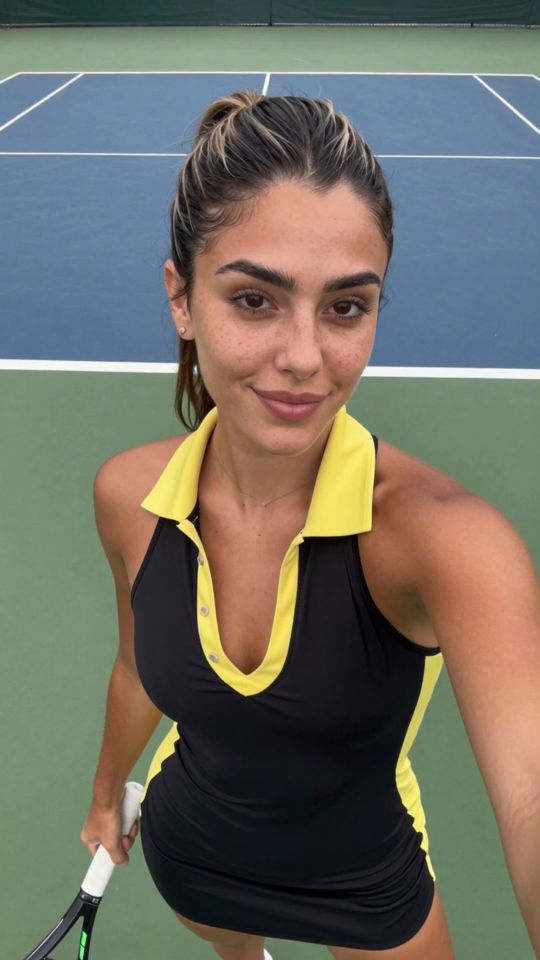
 NEW 5s
⚡ Generate
Careful corrections of wardrobe, setting and light on sheets that nearly pass. One correction per job, 21 credits, originals preserved.
Per-job credit pricing is shown before you confirm. An edit produces a new piece; your original stays untouched in your account.
Pick an effect, upload your photo, and the built-in recipe does the rest. Same photo, far more reliable results.
You have been writing prompts by hand. Templates skip all of that — pick a card below, upload your photo, and get the same scene in one click.
NEW 5s
⚡ Generate
 5s
⚡ Generate
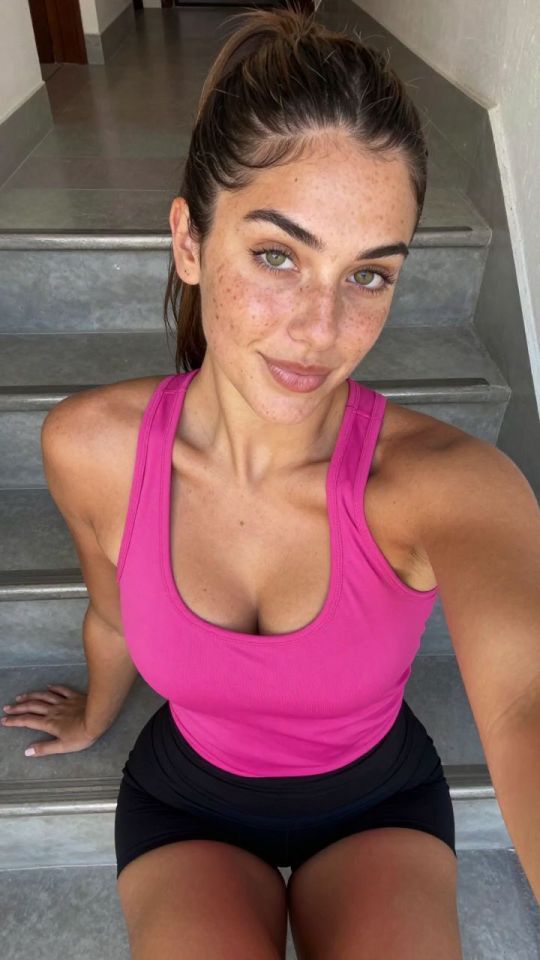
 IMAGE
⚡ Generate
 IMAGE
⚡ Generate
 NEW 5s
⚡ Generate

 IMAGE
⚡ Generate
 NEW 5s
⚡ Generate
 NEW IMAGE
⚡ Generate
 NEW 5s
⚡ Generate
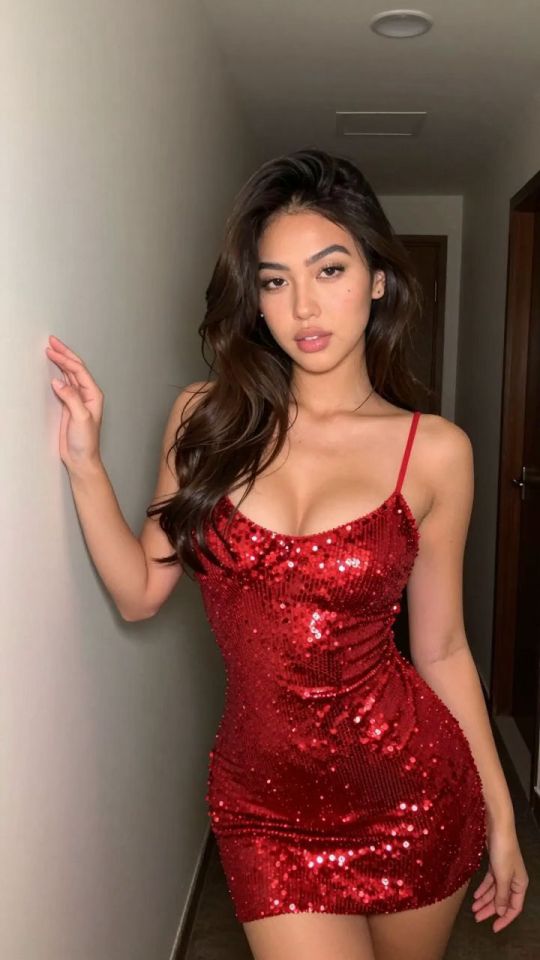
 IMAGE
⚡ Generate

 5s
⚡ Generate
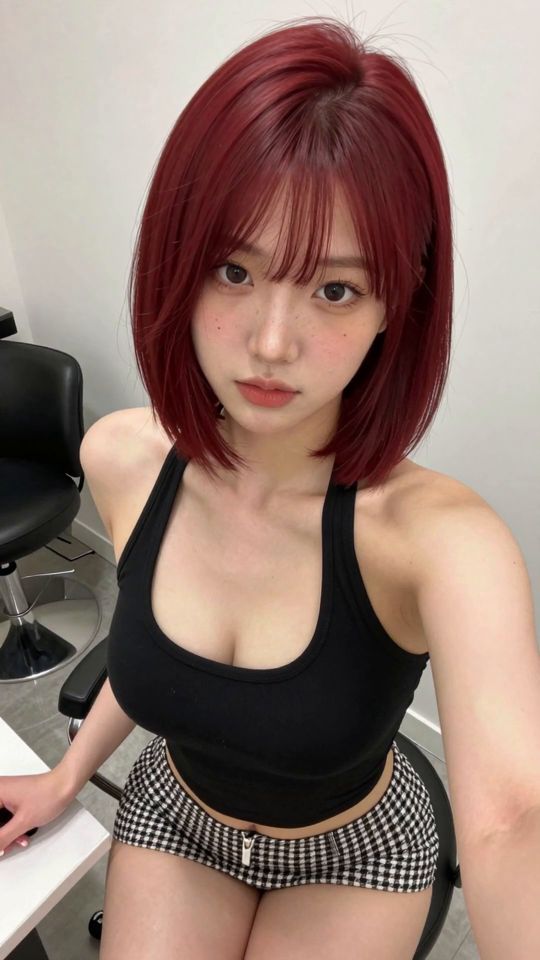
 5s
⚡ Generate
Every shop has sheets that nearly pass. The pose holds, the light is true, but the outfit belongs to another edition, or the room belongs to another run entirely. The editor — the retouch bench of the shop — exists for those sheets. State the correction in plain words — wardrobe, setting, light, a single detail — and the sheet is re-rendered with that correction made and everything else left exactly as it was. Editing costs 21 credits a job, shown before you confirm, and the original is never overwritten: it stays in your stack beside its corrected version, like a first proof and its revision, both kept so the size of the correction can itself be judged later.
Strong bones, wrong details. A sheet whose composition itself has failed costs more to correct than to reprint, and the retouch bench is not where pride should be spent.
A single instruction keeps the rest of the sheet still and the cost predictable. Three corrections at once is not an edit; it is a reprint wearing an edit’s price.
Original and correction rest side by side in your account. Ship the winner. The other costs nothing further and asks nothing of you.
The same pose dressed for three different editions — the quickest multiplication a catalogue knows.
Print shop to boutique hotel to bare violet backdrop, without moving the woman or the light that holds her.
Lamplight to spotlight, flat to dramatic — a sheet re-graded so it sits quietly among the edition it is joining.
“Change the magenta satin set to deep violet velvet and lace. Keep the pose, the hair and the shop light exactly as they are.”
The correction is named and everything else is explicitly protected. The words “keep exactly” are cheap insurance, and they work at every station of the shop.
“Move the scene to a boutique hotel bedroom with a carved wooden screen and warm lamplight. The subject and her pose do not change.”
One room, moved once. A new room, a new outfit and a new pose in a single job is a new photograph, and should be briefed as one.
| Situation | The better move |
|---|---|
| Pose and light are right; details are wrong | Edit — it keeps the bones of the sheet and costs less |
| The composition itself has missed | Reprint the sheet at the main press with a corrected brief |
| One keeper, three editions | Edit three times from the one keeper |
21 credits per job, shown before you confirm. Correcting a keeper is normally cheaper than reprinting and re-proofing a whole edition at the main press.
No. The correction is a new sheet in your stack. The original rests untouched, and both remain yours.
One. Stacked corrections unsettle exactly the parts you asked to keep, and the sheet drifts off the tag spec.
Yes — your own photographs, under the same consent rules as every upload in this shop.
Narrow the instruction and name what must stay identical. Vagueness is the usual cause of a drifting correction.
Drafts, edits, animation and finishing share one credit balance and one private library. Start with the piece you need today.
Open the generatorYour image is deleted after generation.
Browse filesFailed jobs are refunded automatically. Results land in My Collection.
Sign in with Google to start generating
Opening secure Google sign-in…